Take Control of Your Finances, One Budget at a Time
Ever feel like your money disappears the moment your paycheck hits the bank? You’re not alone! Juggling bills, groceries, and unexpected expenses can feel overwhelming, especially when you’re balancing a busy work life. But here’s the good news: creating a household budget isn’t just a chore—it’s your secret weapon for achieving financial peace of mind. In this guide, I’ll walk you through the ultimate step-by-step process to set up a household budget that works for your unique lifestyle. Grab a cup of coffee, and let’s do this together!

Step 1: Know Your Why

Before diving into the numbers, take a moment to reflect on why you want to budget. Is it to save for a dream vacation? Pay off debt? Build an emergency fund? Having a clear purpose will keep you motivated and help you stay on track.
Pro Tip: Write your financial goals somewhere visible, like a sticky note on your fridge or a note in your phone.
Step 2: Track Your Current Spending
You can’t create a budget without knowing where your money is going. For one month, track every single expense. Use budgeting apps, your bank’s transaction history, or good old pen and paper.
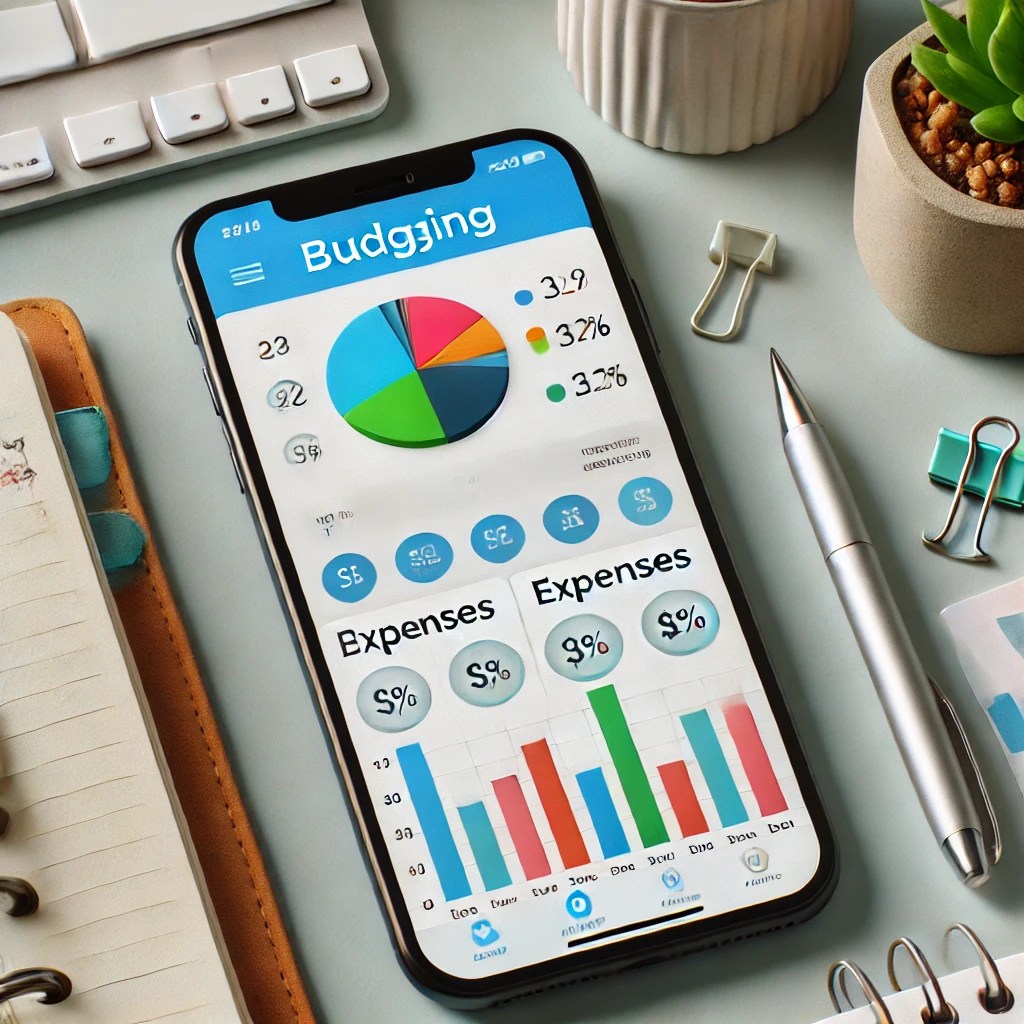
What to Look For:
- Fixed expenses: Rent/mortgage, utilities, insurance.
- Variable expenses: Groceries, entertainment, dining out.
- Hidden costs: Subscriptions, small daily purchases (like coffee runs).
Step 3: Calculate Your Total Income

Add up all sources of income for your household. This includes salaries, side gigs, rental income, or any other revenue streams. Use your net income (after taxes) to ensure accuracy.
Why It Matters: Your budget is only effective if it’s based on real numbers, not estimates.
Step 4: Categorize and Prioritize Your Expenses
Divide your spending into categories. Common categories include:
- Housing
- Transportation
- Food
- Debt repayment
- Savings
- Entertainment
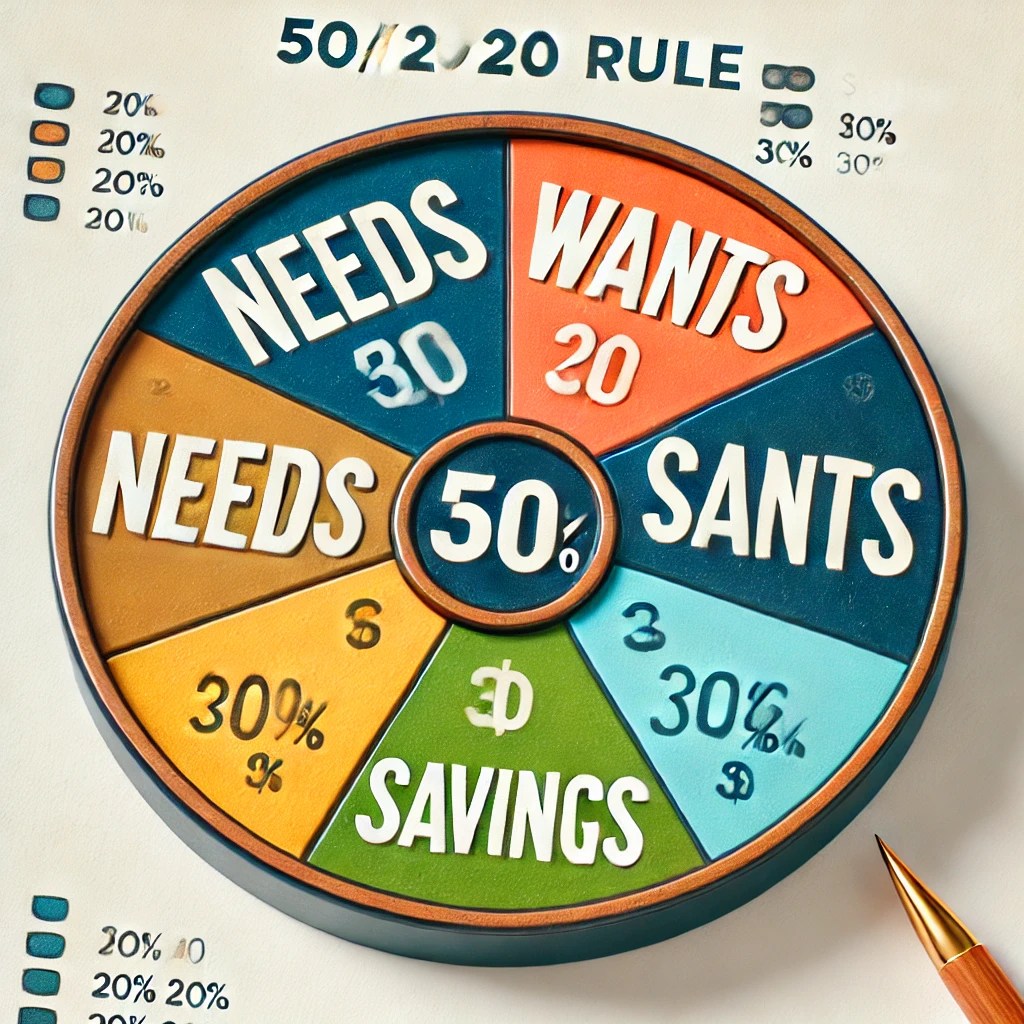
Next, prioritize these categories. Essentials like housing and food come first, followed by savings and debt repayment, and then discretionary spending.
Tip: Use the 50/30/20 rule as a starting point:
- 50% of your income for needs.
- 30% for wants.
- 20% for savings and debt repayment.
Step 5: Set Realistic Spending Limits
For each category, assign a spending limit based on your income and priorities. Be realistic! If your grocery budget has been $800, cutting it to $200 overnight isn’t sustainable.
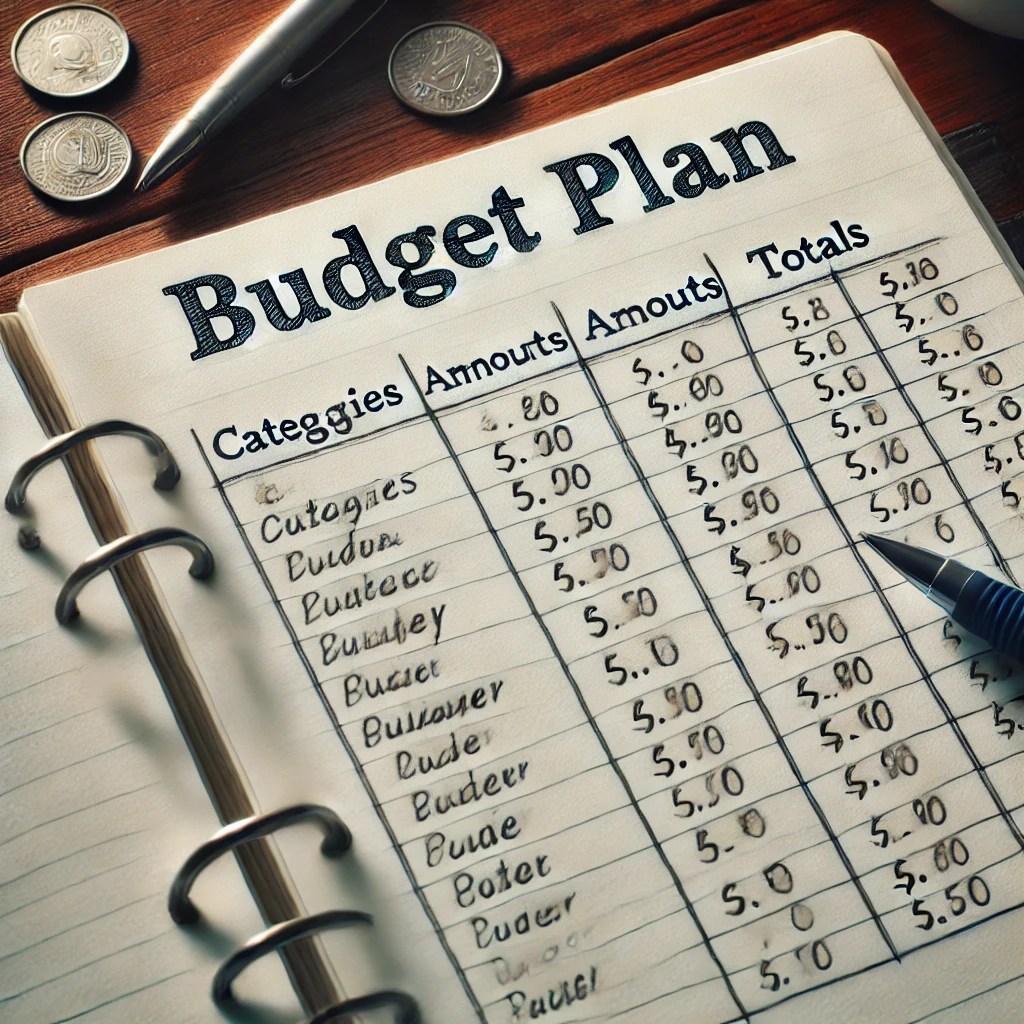
Pro Tip: Leave some wiggle room for irregular expenses like gifts or car repairs.
Step 6: Choose a Budgeting System That Fits Your Style
There’s no one-size-fits-all approach to budgeting. Experiment with different methods to see what works best for you:
- The Envelope System: Use cash for categories like groceries or dining out. When the envelope is empty, you’re done spending.
- Zero-Based Budgeting: Assign every dollar a job, so your income minus expenses equals zero.
- 50/30/20 Rule: Simple and flexible, perfect for beginners.

Step 7: Automate Your Finances
Make your budget easier to stick to by automating payments and savings. Set up automatic transfers to your savings account or retirement fund. Schedule recurring payments for bills to avoid late fees.
Why Automate? It saves time, reduces stress, and ensures you’re prioritizing your goals.

Step 8: Review and Adjust Regularly

Life happens, and your budget should adapt. Review your budget at least once a month to see what’s working and where you can improve. Did you overspend on dining out? Adjust next month’s plan.
Pro Tip: Celebrate small wins! If you saved $100 more than planned, treat yourself to something small and meaningful.
Step 9: Involve Your Household

A budget is a team effort, especially if you share finances. Sit down with your partner, roommates, or family to discuss goals and spending habits. Transparency is key to success.
Idea: Make it fun! Have a monthly budget meeting with snacks and a game-like challenge to save more each month.
Step 10: Use Tools to Simplify the Process
Take advantage of apps and tools designed for budgeting:
- Mint: Tracks spending and sets goals.
- YNAB (You Need a Budget): Perfect for zero-based budgeting.
- EveryDollar: Great for simple, streamlined budgeting.
Empower Yourself Through Budgeting
Creating a household budget might feel intimidating at first, but it’s one of the most empowering things you can do for yourself and your family. With a clear plan in place, you’ll not only gain control over your finances but also free up mental space to focus on what truly matters. Remember, budgeting is about progress, not perfection. Celebrate every small victory along the way, and don’t be afraid to tweak your plan as life evolves.
You’ve got this! And if you ever need a little encouragement, come back to this guide—like a trusted friend cheering you on.
What’s your biggest budgeting goal right now? Share in the comments—I’d love to cheer you on! And don’t forget to like and follow for more practical tips to optimize your home and lifestyle. Let me know what you’d like to learn about next!

 Be Your Own Housewife
Leave a comment